 Old Whistle
Oft in the Stilly Night
Tin whistle notes · slow air in G major
Also called The Light of Other Days, Stilly Night.
Thomas Moore's song of memories that come back in the quiet of the night, published in his National Airs in 1818 with the music arranged by Sir John Stevenson.
The notes, bar by bar
For a D whistle (the usual one). ’ is the second octave: same fingers, blow a little harder. # is sharp.
Part A
B B A G E E G D E G B A B C B B B A G E E G D E B G A G D
D G G G A G G G B G G G A G D D G G G A G G G B G G G A B C B
B B A G E E G D E G B A B C B B B A G E E G D E B G A G
Fingering chart for this tune
Every note Oft in the Stilly Night uses, low to high. A filled hole is covered; the top three are your left hand, + means blow harder.
How to play it
An air follows a song: take your time, breathe where a singer would, and let the long notes ring. The rhythm is free.
It is one of the easier tunes: a good one to learn early.
It stays in the first octave, so no hard blowing.
It needs C natural (cover holes 2 and 3, or half-cover hole 1).
At a glance
- Kind
- Slow air
- Key
- G major
- Time
- 2/4
- Shape
- 24 bars as written
- Range
- D to C
- Level
- 3 of 10, easy
- Tempo
- 34 to 56 beats a minute in the app
Sheet music
The sheet music appears here.
Where it comes from
Setting: Air from Moore's National Airs (1818), public domain.
In the app it belongs to Suantraí, the strain of sleep: early Irish tradition asked every harper to master the three strains of sorrow, joy and sleep.
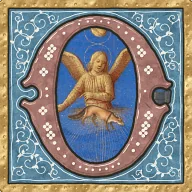
The initial: Oft in the stilly night, ere slumbers chain has bound me. Painted after National Gallery of Art, NGA 1987.20.6.28 (object 69771).
Tunes like Oft in the Stilly Night
- Coventry Carol slow air in G
- Ye Banks and Braes slow air in G
- The Meeting of the Waters slow air in G
- The Londonderry Air slow air in G
- The Skye Boat Song slow air in G
- The Rakes of Mallow polka in G
- Drink and Be Merry jig in G